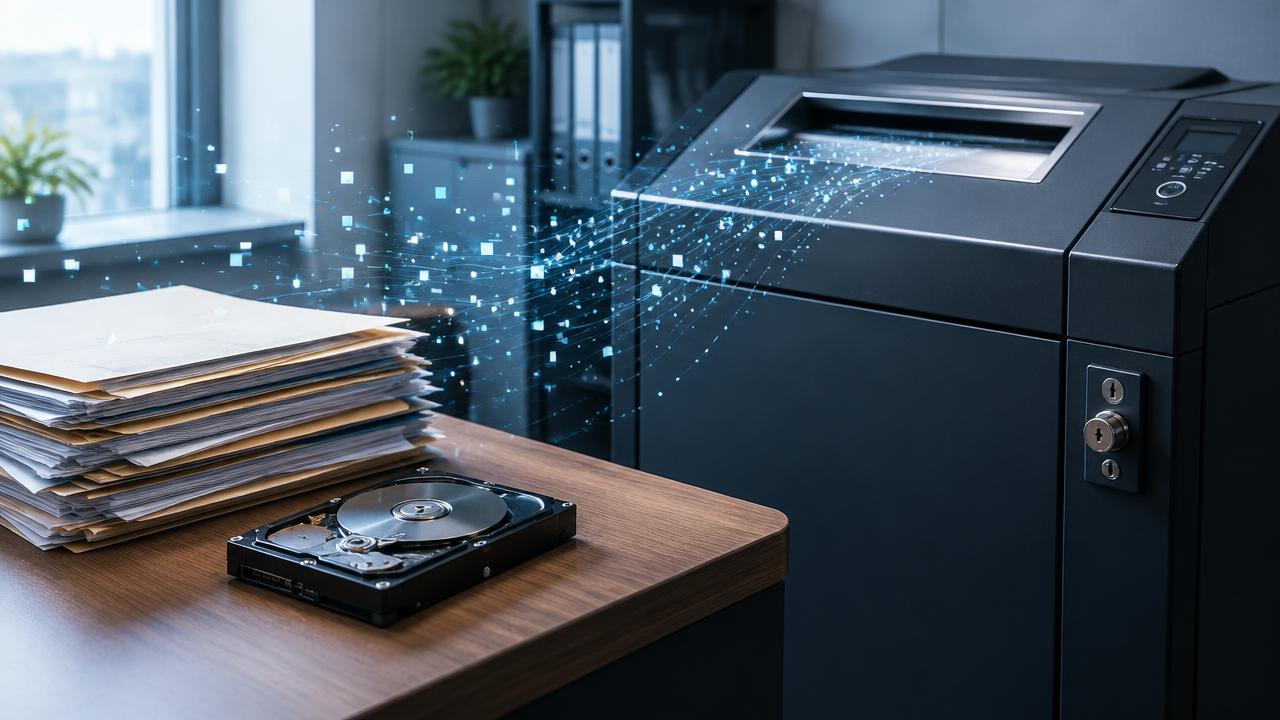
For years, the main worry about a discarded document was that someone might read it. In 2026 the risk is bigger. Criminals now use AI tools to process stolen information at speed, combining scraps from different sources into convincing fraud attempts. A single bin bag of old invoices or a second-hand hard drive can be the starting point.
How AI changes the value of leaked data
Before AI, turning a pile of stolen paperwork into usable information took time and effort. Today, a photo of a document can be read, sorted and summarised in seconds. That makes leaked material more useful to criminals in several ways:
- Convincing phishing. Real names, supplier details, invoice numbers and job titles let fraudsters write emails that look exactly like your genuine correspondence.
- Invoice and payment fraud. Old invoices show who you pay, how much and when. That is everything needed for a fake "change of bank details" request.
- Identity fraud. Payslips, P60s, ID copies and application forms can be combined with online information to impersonate staff or customers.
- Voice and deepfake scams. Knowing who reports to whom makes impersonation calls far more believable.
The documents most at risk
Look around any office and you will find material that should already have been destroyed:
- Archived invoices, purchase orders and bank statements
- Former employees' HR files and payroll records
- Customer forms, contracts and correspondence
- Printed reports and AI-generated summaries containing personal data
- Originals left over from scanning projects
Under UK GDPR, your business is responsible for this information until it is destroyed. "We put it in recycling" is not a defence if it turns up somewhere it should not.
Hard drives: the hidden archive
Retired computers are just as risky as paper. Deleting files or reformatting a drive does not reliably remove data, and recovery tools, increasingly assisted by automation, can retrieve surprising amounts. Laptops used with AI tools often hold downloaded exports, cached documents and saved logins. Physical destruction of the drive is the only way to be certain.
Five steps to reduce your risk
- Make shredding a habit, not an event. Locked confidential waste consoles mean staff dispose of paper securely as they go.
- Clear the backlog. Book a one-off collection for archived files you no longer need to keep.
- Destroy devices properly. Have retired hard drives physically destroyed, with a record of serial numbers where possible.
- Keep proof. A Certificate of Destruction for every collection supports your compliance records.
- Train your team. Remind staff that fraudsters use real details, and to check any request to change payment details by phone.
Local, secure and certified
North East Shredding Service is based in Darlington and serves businesses across the North East. We collect confidential paper on a schedule that suits you, carry out one-off clear-outs, shred on-site while you watch, and destroy hard drives and other media. Staples and clips can stay in, and you receive a Certificate of Destruction every time.
Do not let yesterday's paperwork become tomorrow's fraud. Call 0333 360 8269 or request your free quote.